Signature Dishes You Should Try at a Chinese Fusion Restaurant
Key Takeaways
- Chinese fusion cuisine combines traditional Szechuan spices with international culinary techniques to create unique flavour profiles.
- The dining scene in Singapore increasingly celebrates chefs who reinterpret classic recipes through a contemporary lens.
- Signature dishes often feature high-quality ingredients processed with professional precision to ensure an exceptional gastronomic experience.
Introduction
The culinary landscape of the Lion City is constantly shifting as chefs push the boundaries of tradition. You might find yourself wandering through the streets looking for a dining experience that feels both familiar and excitingly new. This is where the magic of a Chinese fusion restaurant in Singapore comes into play; it offers a bridge between the heritage of the East and the innovation of the West. Food lovers no longer have to choose between the comforting heat of peppers and the refined textures of modern cooking. By blending these elements, restaurants create a sensory journey that honours the past while looking firmly toward the future of gastronomy.
The Evolution of Modern Szechuan Flavours
Traditional Szechuan cooking relies heavily on the “Ma La” sensation, which is a tingling numbness caused by peppercorns combined with the heat of dried chillies. In a modern setting, this bold profile is often tempered with techniques borrowed from French or Japanese kitchens. This approach allows the subtle nuances of the ingredients to shine through without being completely overwhelmed by spice. You might see a classic dish reimagined as a delicate small plate or a hearty main course that uses premium proteins like wagyu beef or fresh seafood. The goal is to preserve the soul of the recipe while enhancing its presentation and texture for a sophisticated audience.
Many diners now seek out a Michelin Chinese restaurant because they know they will find a level of consistency and creativity that is hard to match. These establishments often experiment with the structural components of a dish, perhaps turning a spicy sauce into a light foam or using sous vide methods to ensure meat remains perfectly tender. This attention to detail ensures that every bite provides a balanced explosion of flavours. It is not just about the heat anymore; it is about the harmony between salt, acid, fat, and that signature Szechuan numbing effect that keeps people coming back for more.
Innovative Interpretations of Classic Staples
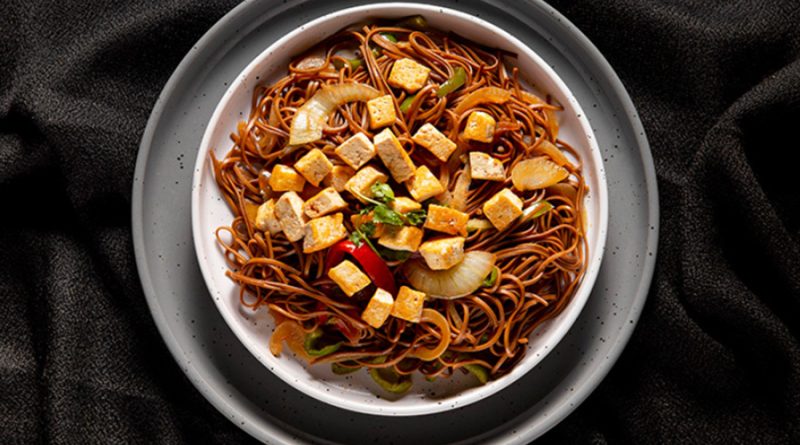
One cannot talk about fusion without mentioning how staples like rice and noodles are being transformed. Imagine a classic stir-fry that incorporates truffle oil or a noodle dish that uses artisanal Italian pasta but is tossed in a fiery Szechuan ragu. These combinations might sound unusual at first, but they work because they respect the fundamental principles of Chinese seasoning. The richness of the oil or the bite of the pasta provides a new canvas for the old-world spices to paint upon. It is a brilliant way to introduce younger generations to traditional flavours in a format they already enjoy.
Seafood also plays a massive role in this culinary crossover. In a Chinese fusion restaurant, you might find scallops seared to perfection and served with a fermented black bean crumble or prawns glazed in a spicy citrus reduction. These dishes highlight the freshness of the sea while adding a layer of complexity through aged ferments and sharp spices. This fusion of techniques allows for a lighter dining experience compared to the heavy, oil-laden dishes sometimes associated with traditional regional cooking. It is a refreshing take that appeals to health-conscious diners who still crave big, bold tastes.
Why High-End Chinese Cuisine is Rising
The rise of premium dining has changed how we perceive regional Chinese food. It is no longer just seen as a quick takeaway or casual family meals. When you visit a Michelin Chinese restaurant, you are paying for an experience that involves storytelling through ingredients. Every plate tells a tale of migration, adaptation, and the meeting of cultures. This elevated status encourages chefs to source the best possible produce, from organic vegetables to sustainably caught fish. When the ingredients are this good, the fusion elements serve to highlight their quality rather than mask it.
Furthermore, the atmosphere in these restaurants often reflects the fusion of the food. You will likely find interiors that mix traditional Chinese motifs with sleek, minimalist furniture. This aesthetic consistency makes the meal feel like a complete artistic presentation. Whether it is the curated wine list designed to pair with spicy dishes or the artisanal tea service, every element is considered. This holistic approach to dining ensures that the fusion concept is not just a gimmick but a genuine evolution of the craft that respects the high standards of global culinary guides.
The Importance of Texture and Balance
A successful fusion dish must strike a balance between various textures. Szechuan food is known for its crunch and silkiness, often within the same mouthful. Fusion chefs take this a step further by introducing crunchy elements like toasted nuts or crispy grains into dishes that are traditionally soft. This play on textures makes each dish more engaging to eat. You might find a silken tofu dish topped with a crispy tempura nest or a slow-cooked pork belly with a crackling skin that has been seasoned with five-spice and sea salt. It is this variety that makes fusion dining so addictive.
Ultimately, the best signature dishes are those that make you rethink what Chinese food can be. They challenge your palate while remaining deeply satisfying. When a chef manages to marry the rustic charm of a village recipe with the elegance of a city bistro, something special happens. It is a celebration of diversity and a testament to the fact that good food knows no borders. As the city continues to grow as a global food hub, these fusion experiments will likely become the new classics for the next generation of hungry explorers.
Conclusion
Exploring the world of fusion cooking is an adventure for the senses. It allows us to appreciate the depth of Chinese heritage while enjoying the creative freedom of modern culinary arts. Whether you are looking for a casual meal or a celebratory dinner, these signature dishes offer something for everyone. The blend of spices, textures, and techniques ensures that every visit is a memorable one. If you are ready to experience these bold flavours for yourself, get in touch with Chen’s today.